
1. Home
  2. Home solar

Home solar and battery backup

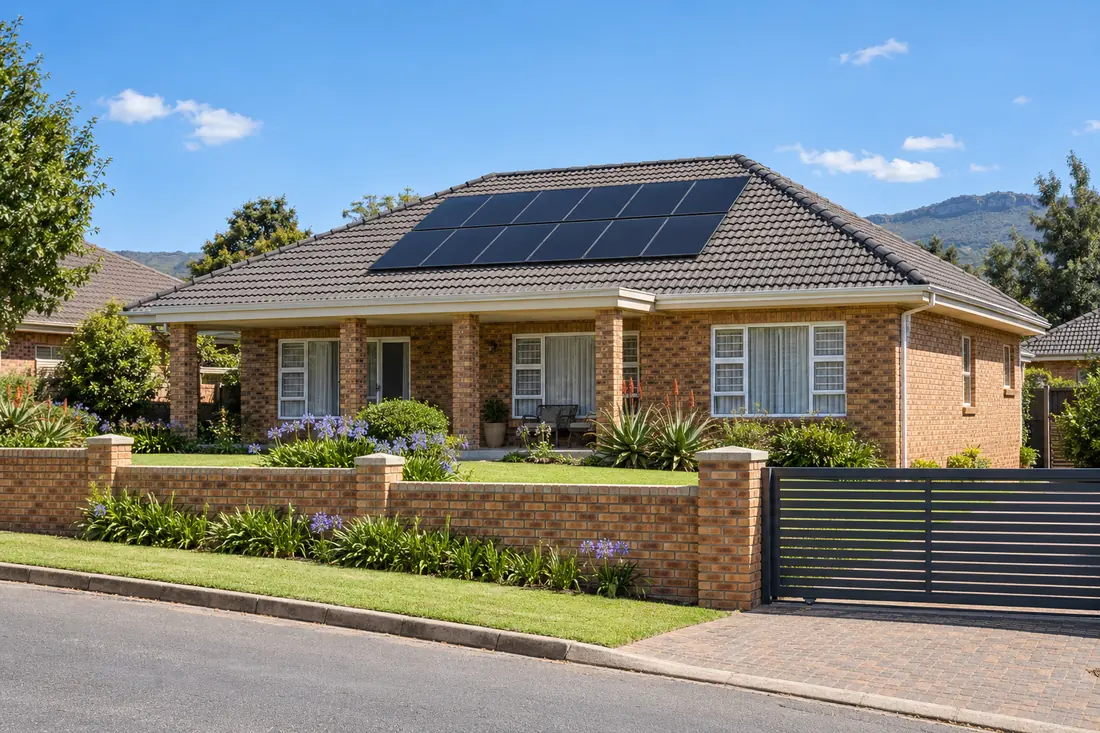
Keep the lights, Wi-Fi, TV and fridge going when the power drops, and buy less electricity every month. Designed around how your house actually uses power.

  • Since 2013
  • 5 700+ panels installed
  • Certificate of Compliance
Home solar & battery backup
2013Installing solar since
5 700+Solar panels installed
270+Solar water heating systems
4Offices: Ermelo, Pretoria, Nelspruit, Kimberley
Who it is for

What a home system is built around

Before anyone counts panels, four questions decide the design:

  • What must stay on

    Lights, plugs, Wi-Fi, fridge and the gate motor go on backup. The geyser, oven and pool pump usually do not.

  • How long it must last

    A two-hour outage and a whole night need very different batteries.

  • How much you use in the day

    Working from home or running a pool pump in the day changes the panel count.

  • Your roof

    Pitch, direction and shade decide where panels go and how many fit.

Get those four right and the equipment list almost writes itself.

A day on the roof

One evening the power goes

Scroll to run the clock through a day in a family home with 6 kWp of panels and a 10 kWh lithium battery.

Count what came off the roof today.

Site load0.4kW
From the sun0kW
From the grid0.4kW
Battery31%
01.42.84.15.5 00:0003:0006:0009:0012:0015:0018:0021:0000:00 kW Power cut
  • Site load
  • From the sun
  • From the battery
  • From the grid
  • Solar available
Solar used today 14 kWhSaved today R47

Illustrative clear day for an Ermelo home using about 21 kWh a day, valued at R3,30 per kWh, with a two-and-a-half-hour outage from 18:00. Your own numbers come from your own bill.
01

Inverter, battery, panels: what each one does

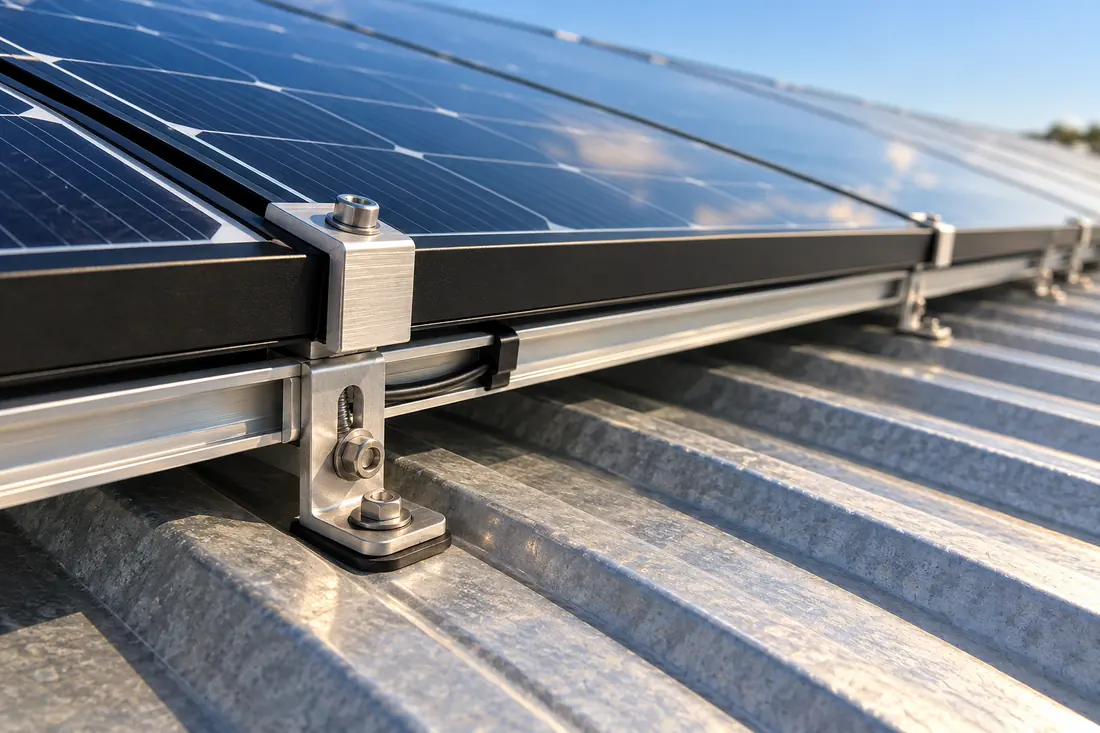
  • The inverter is the brain. It turns solar and battery power into normal household power and switches over in milliseconds when the grid drops.
  • The lithium battery stores energy for the evening and for outages. Its size follows from what must stay on and for how long.
  • The panels run the house in the day and recharge the battery, which is where the monthly saving comes from.
  • A solar geyser is often the cheapest first step of all, because heating water is usually the biggest load on a home account. See solar geysers and heat pumps.
02

Backup only, or backup and savings?

A backup-only system is an inverter and battery that charge from the grid. It keeps you running but does not lower the bill.

Add panels and the same system starts cutting the account every sunny day. If the inverter is sized properly from day one, panels can be added later without replacing anything, so you can start with backup and grow into savings.

03

Signed off properly

Every installation is tested and handed over with a Certificate of Compliance, which your insurer and the municipality may ask for. Where your municipality requires the system to be registered, we help with the paperwork. You get a monitoring app that shows what the panels made and where the power went.

How it works

From one bill to a running system

No guessed numbers. The price comes after somebody has stood on your roof.

  1. 01

    Send a bill

    Answer three questions here, or WhatsApp a photo of a recent electricity account. That one page tells us more than a site photo ever will.

  2. 02

    Site visit and energy audit

    We check the roof or ground, the distribution board, cable routes, shading and what must stay on when the supply drops.

  3. 03

    Proposal, cash and finance priced

    System size, expected generation and payback, with a cash price and an ADSFinance option side by side.

  4. 04

    Install and Certificate of Compliance

    Installed, tested and commissioned by our team, then handed over with a Certificate of Compliance.

  5. 05

    Monitoring and annual service

    Remote monitoring from day one and a maintenance visit every year, so a fault does not hide for months.

FAQ

Home solar: common questions

Something else? WhatsApp 072 326 0268 or call 017 004 0001.

Will a battery run my geyser?

Usually not, and it should not have to. A geyser would empty a home battery quickly. A solar geyser or heat pump is the cheaper way to take water heating off the account.

How many panels does a house need?

It depends on your monthly use and how much of it falls in daylight. As a rough guide, a home with a R2 500 account often lands around 4 to 6 kWp. A site visit and a recent bill give the real number.

Can I start with backup and add panels later?

Yes, if the inverter is chosen with that in mind. We size the inverter for where you want to end up, so the panels can be added without replacing it.

Do I need to register the system with the municipality?

Many municipalities require grid-connected systems to be registered, and the rules differ. We tell you what applies in your area and hand over a Certificate of Compliance.

Free, no obligation

Get a free quote for home solar

It opens as a WhatsApp message to Mari Louise with a reference number, so the first call is about your site instead of the basics.

Rather talk? Call the office on 017 004 0001 or WhatsApp 072 326 0268.

Step 1 of 3About a minute
What do you need?
Pick everything that applies
Where is it going?

Nothing is stored on this website. Your request goes straight to Mari Louise on WhatsApp, and you can attach a photo of your bill in the same chat.

Keep the house running when the power goes

Tell us what must stay on and send a recent bill. We will come back with a system and a price.

Chat to us